
Many people think peptides and proteins are the same thing, but they're actually distinct molecules with different roles in your body. While proteins are large, complex structures, peptides are smaller chains of amino acids that your body absorbs faster and uses for specific tasks like muscle growth, fat loss, and skin repair. Understanding how peptides work can help you make informed decisions about using them for health and fitness goals. This guide explains what peptides are, their science-backed benefits, current research in 2026, and practical applications for muscle building, weight management, and anti-aging.
Table of Contents
- What Are Peptides And How Do They Work?
- Health And Fitness Benefits Of Bioactive Peptides
- Scientific Research And Controversies Around Peptides In 2026
- Practical Applications: Using Peptides For Muscle Growth, Weight Loss, And Skin Improvement
- Explore Trusted Peptide Suppliers And Research Tools
- Frequently Asked Questions
Key takeaways
| Point | Details |
|---|---|
| Peptides are short amino acid chains | They contain 2 to 50 amino acids and absorb faster than proteins. |
| Bioactive peptides offer health benefits | They provide antioxidant, anti-inflammatory, and immune-boosting effects. |
| Different peptides target specific goals | Collagen peptides support skin health while creatine peptides build muscle. |
| Regulatory concerns exist in 2026 | Many peptides sold online are unregulated and not FDA approved. |
| Scientific research continues evolving | Studies show promise but human trials are still needed for many applications. |
What are peptides and how do they work?
Peptides are short chains of amino acids, the building blocks of proteins, but they're fundamentally different from the proteins you eat in chicken or beans. While proteins contain hundreds or thousands of amino acids folded into complex structures, peptides contain only 2 to 50 amino acids arranged in simpler chains. This smaller size gives peptides a major advantage: your body absorbs them much faster than proteins.
When you consume or inject peptides, they enter your bloodstream quickly and travel to specific cells where they're needed. Think of peptides as text messages between your cells, delivering precise instructions to trigger specific biological responses. One peptide might tell your muscles to grow stronger, while another signals your skin cells to produce more collagen. Understanding how peptides work helps you choose the right ones for your goals.
The speed at which peptides act is remarkable. After delivering a message, enzymes break them down within minutes or hours, preventing them from accumulating in your system. This rapid action allows peptides to regulate critical processes like metabolism, neurological signaling, and tissue repair without lingering side effects.
Peptides facilitate cellular communication through several mechanisms:
- They bind to specific receptors on cell surfaces, triggering biochemical responses inside the cell
- They influence gene expression, telling your DNA which proteins to manufacture
- They regulate hormone production and release, affecting everything from appetite to muscle growth
- They modulate immune responses, helping your body fight inflammation and infection
Your body naturally produces thousands of different peptides, each with a specialized function. When you supplement with external peptides, you're essentially amplifying signals your body already uses. This is why peptide terminology can get complex, there are countless varieties designed for specific purposes. The key is matching the right peptide to your health objective, whether that's building muscle, losing fat, or improving skin quality.
Health and fitness benefits of bioactive peptides
Bioactive peptides are special types of peptides that remain inactive within protein structures until your digestive enzymes release them during digestion. Once freed, these peptides provide powerful health benefits that go far beyond basic nutrition. Research shows bioactive peptides offer antioxidant effects, improved immune function, and reduced inflammation, making them valuable tools for anyone serious about optimizing their health.
One of the most studied bioactive peptides is collagen peptide, which your body uses to maintain skin structure and elasticity. As you age, your natural collagen production declines by about 1% per year after age 20, leading to wrinkles, sagging skin, and joint pain. Supplementing with collagen peptides supports skin health by providing the raw materials your body needs to rebuild damaged tissue and maintain a youthful appearance.

Creatine peptides represent another category of bioactive compounds that enhance athletic performance. Unlike regular creatine powder, creatine peptides bond to amino acids for improved absorption and reduced digestive discomfort. Athletes use them to increase muscle strength, boost power output during high-intensity exercise, and accelerate recovery between training sessions. The peptide form delivers creatine more efficiently to muscle cells, where it fuels explosive movements and supports muscle growth.
Beyond skin and muscle, bioactive peptides influence fat metabolism in ways that could support weight loss efforts. Certain peptides signal your body to break down stored fat for energy, increase metabolic rate, or reduce appetite by affecting hunger hormones. While these effects are still being studied in humans, early research suggests peptides could become valuable tools for managing body composition.
The anti-inflammatory properties of bioactive peptides deserve special attention. Chronic inflammation underlies many modern health problems, from joint pain to metabolic disorders. Peptides that reduce inflammatory markers help your body recover faster from workouts, heal injuries more efficiently, and maintain overall wellness. Understanding bioactive peptide benefits helps you leverage these compounds strategically.
Pro Tip: Start with well-researched peptides like collagen or creatine peptides before exploring more experimental options, and always track your response over at least 8 weeks to assess effectiveness.
The immune-boosting effects of certain bioactive peptides make them particularly interesting for people who train hard or experience frequent illness. These peptides enhance your body's natural defense mechanisms, helping immune cells identify and destroy pathogens more effectively. Some peptides even show antimicrobial properties, directly fighting bacteria and viruses. While peptides aren't a replacement for a healthy lifestyle, they can provide an extra layer of immune support when you need it most.
Scientific research and controversies around peptides in 2026
The scientific community's understanding of peptides has grown significantly, but major controversies remain about their safety and regulation. Recent research provides encouraging evidence for certain applications while raising red flags about others. A 2024 study published in Nature found that collagen peptide administration reduces body mass, food intake, and lipid markers in obesity rodent models, suggesting potential for weight management. However, translating rodent results to humans requires caution and further study.
The biggest controversy in 2026 centers on unregulated peptide drugs sold online. Many peptides marketed for muscle growth, fat loss, and anti-aging are not FDA approved and carry unknown risks. These compounds often appear with disclaimers like "for research purposes only" or "not for human consumption," yet wellness clinics and individuals use them regularly. The lack of quality control, proper dosing guidelines, and long-term safety data creates serious concerns.
Athletic organizations have taken notice of peptides' performance-enhancing potential. The World Anti-Doping Agency bans certain peptides like follistatin because they provide unfair competitive advantages. These banned substances can dramatically increase muscle growth, reduce body fat, and improve endurance beyond what's naturally achievable. Athletes caught using them face suspensions and stripped titles.
| Research Area | Current Status in 2026 | Evidence Quality |
|---|---|---|
| Collagen for skin health | Promising human trials showing wrinkle reduction | Moderate to high |
| Weight loss peptides | Rodent studies positive, human data limited | Low to moderate |
| Muscle building peptides | Mixed results, regulatory concerns | Low |
| Anti-aging applications | Emerging research, long-term effects unknown | Low |
Understanding peptide regulations is critical before using any peptide product. The regulatory landscape varies by country, with some nations allowing peptides that others ban. In the United States, the FDA has not approved most peptides sold for wellness purposes, creating a gray market where quality and purity vary wildly between suppliers.
Pro Tip: Before using any peptide, research its regulatory status in your country and look for third-party testing certificates to verify purity and concentration.
The peptide industry's rapid growth has outpaced regulatory frameworks, leaving consumers to navigate complex decisions about safety and legality. Some peptides have legitimate medical uses with proper prescriptions, while others exist in legal gray areas. Knowing peptide legality helps you avoid legal problems and health risks. Scientists continue studying peptides' mechanisms and effects, but the current evidence base remains incomplete for many popular applications.
Practical applications: Using peptides for muscle growth, weight loss, and skin improvement
Applying peptide science to real-world fitness and wellness goals requires understanding which peptides target specific outcomes. Collagen peptides remain the most accessible and well-researched option for skin health. You can find them in powder form to mix into drinks or smoothies, with typical doses ranging from 10 to 20 grams daily. Studies show consistent use over 8 to 12 weeks reduces wrinkle depth, improves skin hydration, and may slow visible aging signs.
For muscle building and athletic performance, creatine peptides offer advantages over standard creatine monohydrate. The peptide form absorbs more efficiently, requires smaller doses, and causes less bloating or digestive upset. Athletes typically take 3 to 5 grams daily, either before workouts for energy or after training to support recovery. The peptide delivery system helps creatine reach muscle cells faster, where it fuels high-intensity contractions and stimulates muscle protein synthesis.
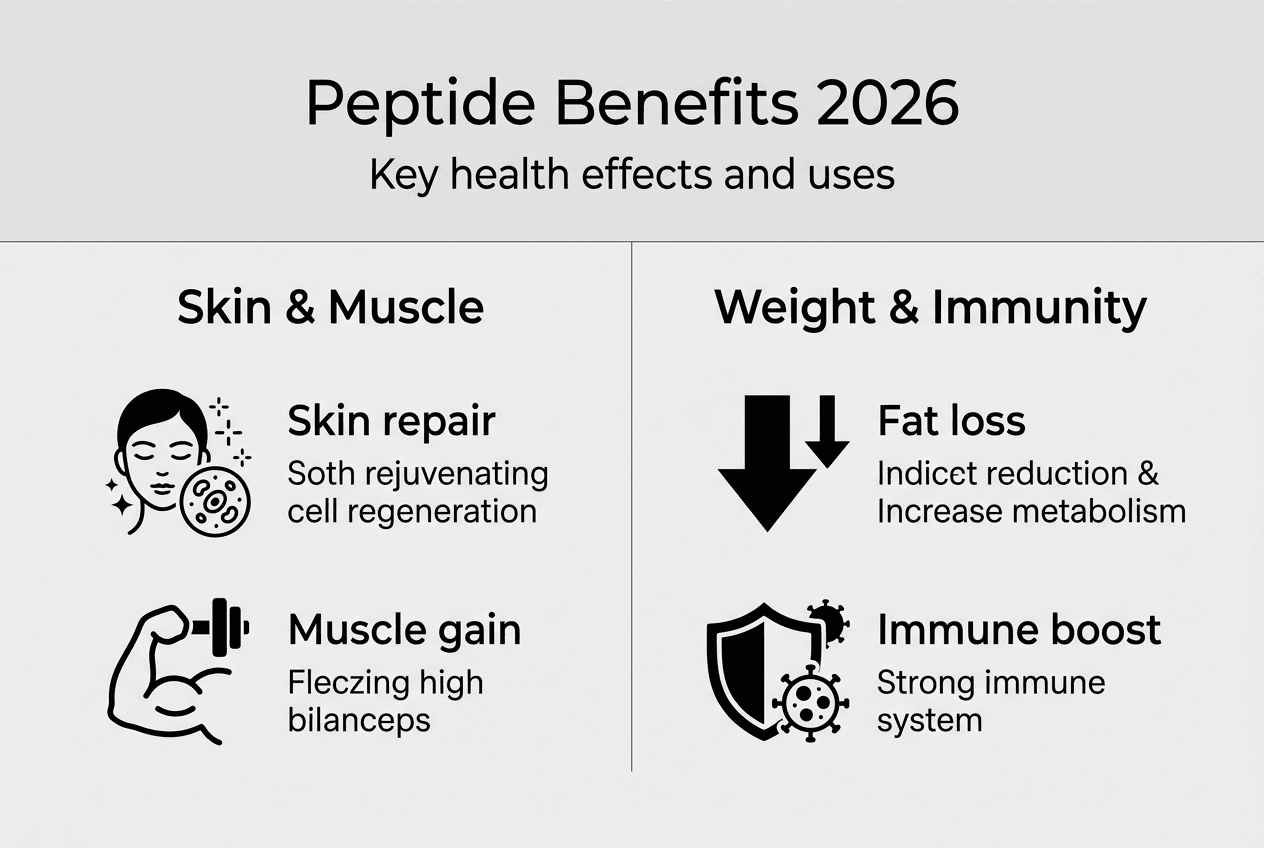
Tesamorelin represents a more advanced peptide used specifically for fat loss, particularly stubborn visceral fat around internal organs. This peptide works by increasing IGF-1 levels, which enhances lipolysis (fat breakdown), protein synthesis, and cellular repair. Originally developed for HIV patients with lipodystrophy, some wellness clinics now prescribe it off-label for body composition improvement. However, tesamorelin requires injection and medical supervision due to potential side effects.
| Peptide Type | Primary Use | Typical Dose | Administration Method |
|---|---|---|---|
| Collagen peptides | Skin health, joint support | 10 to 20 grams daily | Oral powder or capsules |
| Creatine peptides | Muscle growth, performance | 3 to 5 grams daily | Oral powder |
| Tesamorelin | Visceral fat reduction | 2 mg daily | Subcutaneous injection |
| BPC-157 | Injury recovery | 250 to 500 mcg daily | Injection (unregulated) |
Choosing effective peptides requires matching their physiological effects to your specific goals. Understanding peptide receptors helps explain why certain peptides work for muscle recovery while others target fat loss. Each peptide binds to specific receptors on cell surfaces, triggering distinct biochemical cascades that produce targeted results.
Safe peptide usage follows these essential steps:
- Research the specific peptide thoroughly, including its mechanism of action, documented benefits, and known risks
- Verify the supplier's reputation and request third-party testing certificates showing purity above 98%
- Start with the lowest effective dose and monitor your body's response over several weeks
- Follow established protocols for timing, frequency, and administration method
- Track measurable outcomes like body composition changes, performance metrics, or skin quality improvements
- Discontinue use immediately if you experience adverse reactions and consult a healthcare provider
Many people combine multiple peptides in stacks designed to produce synergistic effects. For example, pairing collagen peptides with vitamin C enhances collagen synthesis, while combining creatine peptides with beta-alanine improves workout performance. However, stacking increases complexity and potential for interactions, so start with single peptides before experimenting with combinations. Following proven peptide protocols helps you achieve results while minimizing risks.
The key to successful peptide use is patience and consistency. Unlike pharmaceutical drugs that produce rapid effects, peptides work by gradually optimizing your body's natural processes. Expect to use them for at least 8 to 12 weeks before seeing significant changes. Keep detailed records of your doses, timing, and results to identify what works best for your unique physiology.
Explore trusted peptide suppliers and research tools
Finding reliable peptide sources can feel overwhelming given the unregulated nature of the market. Many online suppliers make exaggerated claims about purity and effectiveness without providing verifiable evidence. This is where a curated platform becomes invaluable for anyone serious about using peptides safely and effectively.
Pept provides a comprehensive directory of research peptide suppliers that have been vetted for quality, transparency, and customer service. Instead of gambling with unknown vendors, you can access suppliers who provide third-party testing certificates, detailed product information, and responsive customer support. The platform helps you compare options and make informed purchasing decisions based on your specific needs.

Beyond supplier information, Pept offers an extensive peptide directory covering hundreds of different compounds. Each listing includes the peptide's mechanism of action, documented benefits, typical dosing protocols, and current research status. This educational resource helps you understand exactly what you're considering before making a purchase. Whether you're researching collagen peptides for skin health or exploring more advanced options for athletic performance, the directory provides science-backed information to guide your decisions.
The Pept platform combines education with practical resources, creating a one-stop hub for peptide research and sourcing. You'll find articles explaining complex peptide science in accessible language, comparison tools for evaluating different products, and community insights from experienced users. This integrated approach helps you navigate the peptide landscape confidently, avoiding common mistakes and maximizing your results.
Frequently asked questions
Are peptides safe to use for muscle growth?
Safety depends entirely on which peptide you use and whether it's regulated. FDA-approved peptides prescribed by doctors have established safety profiles, while unregulated peptides sold online carry unknown risks due to quality control issues and lack of human studies. Many muscle-building peptides are not FDA approved and may contain impurities or incorrect dosages. Always consult a healthcare provider before using peptides for muscle growth.
How do peptides differ from proteins?
Peptides contain 2 to 50 amino acids arranged in short chains, while proteins contain hundreds or thousands of amino acids folded into complex three-dimensional structures. This size difference means peptides absorb faster, act more quickly, and target specific cellular functions, whereas proteins provide broader nutritional value and structural support. Your body breaks down proteins into peptides and amino acids during digestion before using them.
Can peptides help with weight loss?
Some peptides show promise for weight loss by influencing fat metabolism, appetite regulation, and metabolic rate. Research indicates certain peptides reduce body mass and improve lipid profiles in animal studies, but human evidence remains limited. Peptides are not magic solutions and work best when combined with proper nutrition and exercise. Any weight loss peptide should be used under medical supervision due to potential side effects.
What are the side effects of using peptides?
Side effects vary dramatically depending on the specific peptide, dose, and individual response. Common reactions include injection site irritation, water retention, increased hunger, or hormonal changes. More serious risks exist with unregulated peptides that may contain contaminants or incorrect concentrations. Some peptides can disrupt natural hormone production or cause immune reactions. Start with low doses and monitor your body carefully for any adverse responses.
Do collagen peptides really improve skin?
Multiple studies show collagen peptides can reduce wrinkle depth, improve skin elasticity, and increase hydration when taken consistently for 8 to 12 weeks. The peptides provide amino acids your body uses to synthesize new collagen, partially offsetting age-related collagen loss. Results vary between individuals based on age, baseline collagen levels, and overall health. Collagen peptides work best as part of a comprehensive skin care approach including sun protection and proper nutrition.
Are peptides legal for athletes?
Many performance-enhancing peptides are banned by the World Anti-Doping Agency and other sports organizations. Athletes subject to drug testing should avoid peptides unless specifically approved by their governing body. Even legal peptides may contain banned substances as contaminants, risking positive tests. Competitive athletes must research their sport's prohibited substance list carefully and consult with compliance officers before using any peptide supplement.