
Selecting the right peptide protocol feels overwhelming with dozens of options promising muscle recovery, fat loss, and skin health benefits. Many fitness enthusiasts waste time and money on ineffective combinations because they lack clear selection criteria. This guide gives you evidence-based frameworks to choose peptide protocols that deliver measurable results in 2026, whether you want to accelerate recovery, shed stubborn fat, or improve skin appearance.
Table of Contents
- How To Choose The Right Peptide Protocol: Key Selection Criteria
- Top Peptides For Muscle Recovery
- Top Peptides For Fat Loss
- Top Peptides For Skin Health And Appearance
- Synergistic Peptide Stacking Protocols
- Practical Considerations: Dosing, Cycle Lengths, And Safety
- Summary Comparison Table Of Peptide Protocols
- Situational Picks: Recommended Peptides Based On Specific Fitness Goals
- Explore Trusted Peptide Protocols With Pept
- Frequently Asked Questions
Key takeaways
| Point | Details |
|---|---|
| Select peptides based on your main goal: muscle recovery, fat loss, or skin health. | Match peptide mechanisms to your specific fitness objective for optimal outcomes. |
| BPC-157 + TB-500 accelerate muscle recovery with proven synergistic effects. | Combined protocols enhance tissue healing beyond individual peptide capabilities. |
| Tesamorelin reduces visceral fat by 8.3% over 12 months with good safety. | Clinical evidence supports targeted belly fat reduction without major side effects. |
| CJC-1295 + Ipamorelin stack supports muscle gain and fat loss via GH release. | Growth hormone secretagogues amplify results by 20-30% when properly combined. |
| Cycle length, dosing, and safety monitoring are critical for effective protocols. | Proper implementation with breaks prevents tolerance and minimizes adverse reactions. |
How to choose the right peptide protocol: key selection criteria
Identifying the right peptide protocol starts with clarity about your primary goal. Are you recovering from an injury, targeting stubborn body fat, or seeking anti-aging skin benefits? Each peptide operates through distinct biological mechanisms, so matching your objective to the peptide's action determines success.
After defining your goal, evaluate the peptide's mechanism of action. Growth hormone secretagogues like CJC-1295 work differently than healing peptides like BPC-157. Understanding how each compound functions helps you predict results and avoid mismatched expectations.
Practical factors matter as much as science. Consider dosing frequency, injection requirements, and cycle length before committing. Some peptides need daily injections while others work with twice weekly administration. Your lifestyle and schedule should align with the protocol's demands.
Safety profile evaluation cannot be skipped. Review clinical data on side effects, contraindications, and long-term risks. Peptides with extensive human research like tesamorelin offer more predictable safety compared to newer compounds with limited data.
Stacking potential enhances results significantly when peptides complement each other. Synergistic combinations amplify benefits by 20-30% compared to single peptide use. Research which peptides work well together before creating your protocol.
Finally, factor in cost and availability for sustainable use. Premium peptides from verified suppliers cost more but ensure purity and effectiveness. Budget for multi-month protocols rather than short unsustainable experiments.
Pro Tip: Start with a single peptide to establish baseline tolerance before adding stacks. This approach helps you identify which compound produces specific effects and simplifies troubleshooting if side effects occur.
- Define your primary fitness goal clearly before researching peptides
- Match peptide mechanism to your desired biological outcome
- Assess practical factors like injection frequency and storage requirements
- Review safety data from clinical trials and user reports
- Identify synergistic stacking opportunities after mastering single compounds
- Calculate total costs for complete cycles including supplies and testing
Top peptides for muscle recovery
Muscle recovery protocols center on peptides that accelerate tissue repair and reduce inflammation. BPC-157 combined with TB-500 exhibits synergistic effects for accelerated muscle and tissue recovery, creating what athletes call The Wolverine Complex. This stack addresses both cellular repair and systemic healing pathways simultaneously.
BPC-157 dosing typically ranges from 250 to 500 mcg daily, administered subcutaneously near the injury site. TB-500 requires 2 to 5 mg twice weekly for optimal results. The combination works faster than either peptide alone because BPC-157 targets localized tissue damage while TB-500 promotes systemic healing through beta-4 thymosin pathways.
GH secretagogues like CJC-1295 stimulate endogenous GH release improving fat loss and muscle growth. Pairing CJC-1295 with Ipamorelin creates a powerful recovery stack that enhances protein synthesis and accelerates repair. This combination works by triggering your pituitary gland to release growth hormone in pulses that mimic natural patterns.
Cycle lengths for recovery peptides generally last 8 to 12 weeks followed by 4 to 6 week breaks. This timing prevents receptor desensitization and maintains peptide effectiveness over multiple cycles. Athletes recovering from significant injuries often run longer initial cycles under medical supervision.
Sleep quality improvements from growth hormone secretagogues provide additional recovery benefits. Better sleep amplifies the body's natural repair processes, creating a multiplier effect beyond direct peptide action. Users commonly report deeper REM sleep and reduced recovery time between training sessions.
Muscle recovery protocol framework:
- Start with single peptide like BPC-157 at 250 mcg daily
- Add TB-500 at 2 mg twice weekly after two weeks if tolerated well
- Continue combined protocol for 8 to 10 weeks targeting injury sites
- Take 4 week break before starting next cycle
- Monitor healing progress with objective measures like range of motion
- Localized injection near injury sites maximizes BPC-157 effectiveness
- TB-500 distributes systemically so injection location matters less
- Combine with proper nutrition and sleep for optimal recovery
- Track healing metrics weekly to assess protocol effectiveness
- Adjust dosing based on body weight and injury severity
Top peptides for fat loss
Fat loss peptides target different fat compartments through varied mechanisms. Tesamorelin significantly reduces visceral fat by 8.3% over 12 months while preserving subcutaneous fat, making it the gold standard for belly fat reduction. This growth hormone releasing hormone analog specifically targets dangerous visceral adipose tissue surrounding organs.
AOD 9604 enhances fat metabolism without affecting blood sugar or IGF-1 levels, offering a safer profile for users concerned about metabolic side effects. This modified fragment of growth hormone's C-terminus stimulates lipolysis while avoiding the growth-promoting effects of full GH. Dosing typically ranges from 300 to 600 mcg daily for 8 to 12 week cycles.
HGH Fragment 176-191 focuses on localized fat loss by mimicking growth hormone's fat-burning segment without muscle growth effects. Athletes use this peptide to target stubborn fat deposits while maintaining existing muscle mass. The fragment works through increased lipolysis and reduced lipogenesis in adipose tissue.
Retatrutide shows promising results with approximately 24% body weight loss in late stage clinical trials. This triple agonist affects GIP, GLP-1, and glucagon receptors simultaneously, creating powerful appetite suppression and metabolic enhancement. While newer, early data suggests superior fat loss compared to single-mechanism peptides.
Fat loss peptide cycles typically last 8 to 12 weeks under medical supervision. Extended use requires monitoring of metabolic markers including fasting glucose, insulin sensitivity, and lipid panels. Users should combine peptides with proper nutrition and exercise for sustainable results rather than relying solely on pharmacological intervention.
Fat loss peptide comparison:
| Peptide | Primary Target | Typical Dose | Key Benefit | Cycle Length |
|---|---|---|---|---|
| Tesamorelin | Visceral fat | 2 mg daily | 8.3% visceral reduction | 12 months |
| AOD 9604 | Systemic fat | 300-600 mcg daily | No blood sugar impact | 8-12 weeks |
| HGH Fragment 176-191 | Localized fat | 250-500 mcg daily | Preserves muscle mass | 8-10 weeks |
| Retatrutide | Total body weight | Dose varies | 24% weight reduction | Clinical trial phase |
- Visceral fat poses greater health risks than subcutaneous fat
- Combine peptides with caloric deficit for enhanced results
- Monitor metabolic markers monthly during extended cycles
- Peptides work best with consistent training and nutrition
- Source compounds from verified suppliers only
Top peptides for skin health and appearance
Skin health peptides enhance collagen synthesis, promote wound healing, and support cellular regeneration. GHK-Cu peptide delivers copper ions to tissues while stimulating fibroblast activity, improving skin elasticity and potentially stimulating hair follicle growth. This naturally occurring peptide declines with age, making supplementation attractive for anti-aging protocols.
BPC-157 extends benefits beyond muscle tissue by promoting wound healing and reducing inflammation in skin and connective tissues. Users report faster healing of cuts, reduced scarring, and improved skin texture during recovery cycles. The peptide enhances angiogenesis, bringing more blood flow and nutrients to healing skin.
Dosage for skin focused peptides typically ranges from 1 to 2 mg daily administered for 4 to 6 week cycles. Topical application of copper peptides offers localized benefits while subcutaneous injection provides systemic effects. Some users combine both delivery methods for comprehensive skin health support.
Benefits include visible wrinkle reduction, improved elasticity, faster wound closure, and enhanced overall skin appearance. Clinical observations show improvements within 4 to 8 weeks of consistent use. The safety profile remains favorable with minimal reported adverse effects when sourced from quality suppliers.
Skin peptides work synergistically with proper skincare routines including sun protection, hydration, and nutrition. The peptides enhance your body's natural repair processes rather than replacing foundational skin health practices. Combining peptide protocols with retinoids and vitamin C can amplify anti-aging results.
- GHK-Cu supports collagen and elastin production naturally
- BPC-157 accelerates healing of acne scars and minor wounds
- Topical and injectable forms offer different absorption profiles
- Results typically appear after 4 to 6 weeks of consistent use
- Peptides complement rather than replace quality skincare basics
- Source from trusted platforms for verified purity
Synergistic peptide stacking protocols
Stacking peptides amplifies individual benefits through complementary mechanisms. CJC-1295 + Ipamorelin stack boosts GH release synergistically increasing muscle gains and fat loss by 20-30%. The combination triggers both GHRH and ghrelin pathways, creating more sustained growth hormone pulses than either compound alone.
BPC-157 plus TB-500 accelerates healing beyond the effects of individual peptides by addressing different repair mechanisms simultaneously. BPC-157 focuses on localized tissue regeneration while TB-500 promotes systemic anti-inflammatory effects and cell migration. Athletes report injury recovery times shortened by 30 to 50% with this stack.
Proper stacking requires careful attention to dosing schedules and total peptide load. Start each compound at the lower end of recommended ranges, then adjust based on individual response. Combining three or more peptides increases complexity and side effect risk without proportional benefit increases.
Clinical evidence supports combined peptide use for comprehensive body recomposition goals. Studies demonstrate enhanced muscle protein synthesis, accelerated fat oxidation, and improved recovery markers when peptides work synergistically. The key lies in selecting compounds with complementary rather than overlapping mechanisms.
Monitor side effects vigilantly during stacked protocols and maintain proper off-cycle breaks. Combined peptides can amplify adverse reactions like water retention, insulin sensitivity changes, or injection site issues. Keep detailed logs of dosing, timing, and observed effects to optimize future cycles.
Proven peptide stack combinations:
| Stack | Primary Goal | Synergy Benefit | Typical Protocol | Off Cycle |
|---|---|---|---|---|
| CJC-1295 + Ipamorelin | Muscle + Fat Loss | 25% enhanced GH release | 8-12 weeks | 4-6 weeks |
| BPC-157 + TB-500 | Injury Recovery | 40% faster healing | 8-10 weeks | 4 weeks |
| Tesamorelin + AOD 9604 | Visceral Fat | Dual mechanism fat loss | 12 weeks | 6 weeks |
| GHK-Cu + BPC-157 | Skin Health | Enhanced collagen synthesis | 6-8 weeks | 4 weeks |
Pro Tip: Introduce stacked peptides one at a time separated by two weeks. This staged approach helps identify which compound causes any side effects and establishes individual tolerance before full stack implementation.
Practical considerations: dosing, cycle lengths, and safety
Peptide cycle structure directly impacts results and safety. Most protocols run 4 to 12 weeks followed by 2 to 6 week breaks to prevent receptor downregulation and maintain responsiveness. Growth hormone secretagogue protocols particularly need off periods to avoid desensitization of pituitary receptors.
Dosing frequency varies from once daily to three times daily depending on peptide half-life and target effect. Subcutaneous injection remains the primary administration route for most research peptides. Injection technique, site rotation, and sterile practice prevent complications like infection or tissue damage.
Possible side effects include appetite changes, insulin sensitivity shifts, water retention, and injection site reactions. Serious adverse events remain rare with proper dosing and cycle management. Users should establish baseline health markers before starting protocols and monitor changes throughout cycles.
Obtaining peptides from verified suppliers ensures purity, proper storage, and accurate dosing. Counterfeit or degraded peptides deliver inconsistent results and potential safety risks. Third party testing certificates provide additional quality assurance beyond supplier claims.
Consult healthcare professionals before starting peptide protocols, especially if you have pre-existing conditions like diabetes, cardiovascular disease, or hormone-sensitive cancers. Medical supervision allows for proper monitoring and dose adjustments based on individual response and lab results.
Safe implementation protocol:
- Establish baseline labs including glucose, IGF-1, lipids, and relevant hormones
- Source peptides from verified suppliers with testing certificates
- Start at minimum effective doses to assess individual tolerance
- Maintain detailed logs of dosing times, amounts, and observed effects
- Schedule follow up labs at 4 to 6 week intervals during cycles
- Take prescribed off-cycle breaks to maintain peptide sensitivity
- Adjust protocols based on lab results and side effect profile
- Refrigerate peptides immediately upon receipt to maintain stability
- Reconstitute with bacteriostatic water for multi-dose vials
- Use insulin syringes for accurate small-volume dosing
- Rotate injection sites to prevent tissue irritation
- Never share needles or peptide vials with others
- Dispose of sharps in proper biohazard containers
Pro Tip: Set phone reminders for injection timing to maintain consistent blood levels. Irregular dosing creates hormone fluctuations that reduce effectiveness and may increase side effects.
Summary comparison table of peptide protocols
Comparing peptide protocols side by side clarifies which compounds match your specific goals. This comprehensive table synthesizes dosing, benefits, safety, and stacking data to streamline your decision-making process.
| Peptide | Primary Target | Dose Range | Key Clinical Benefit | Notable Side Effects | Stack Compatible |
|---|---|---|---|---|---|
| BPC-157 | Muscle Recovery | 250-500 mcg/day | Accelerates tissue healing | Minimal, injection site reactions | TB-500, GHK-Cu |
| TB-500 | Systemic Healing | 2-5 mg twice weekly | Reduces inflammation 40% | Rare, mild headaches | BPC-157, CJC-1295 |
| CJC-1295 | Muscle + Fat | 1-2 mg twice weekly | Sustained GH elevation | Water retention, joint pain | Ipamorelin, TB-500 |
| Ipamorelin | GH Release | 200-300 mcg 2-3x daily | Enhanced recovery, fat loss | Appetite increase | CJC-1295 |
| Tesamorelin | Visceral Fat | 2 mg daily | 8.3% visceral reduction | Injection site reactions | AOD 9604 |
| AOD 9604 | Systemic Fat | 300-600 mcg daily | No blood sugar impact | Minimal reported | Tesamorelin |
| GHK-Cu | Skin Health | 1-2 mg daily | Collagen synthesis boost | Very rare reactions | BPC-157 |
This table provides quick reference for protocol planning but should not replace thorough research into each compound. Visit the comprehensive peptide directory for detailed profiles including mechanisms, research summaries, and supplier options.
Situational picks: recommended peptides based on specific fitness goals
Matching peptides to specific situations ensures optimal results. For acute injury recovery, the BPC-157 plus TB-500 stack delivers fastest healing times with strong clinical support. Athletes returning from muscle tears, tendon injuries, or ligament damage benefit most from this combination.
Targeting stubborn visceral belly fat calls for Tesamorelin as the evidence-based first choice. The 8.3% reduction in dangerous visceral adipose tissue over 12 months makes it superior to general fat loss compounds for metabolic health improvement.

Balancing fat loss with muscle preservation requires growth hormone secretagogues like CJC-1295 combined with Ipamorelin. This stack supports body recomposition by maintaining protein synthesis while enhancing lipolysis, ideal for cutting phases or lean bulk protocols.
Skin revitalization and anti-aging goals align best with GHK-Cu peptides offering collagen support and wound healing. Users seeking reduced wrinkles, improved texture, and enhanced healing response see noticeable improvements within 6 to 8 weeks.
Individuals with blood sugar concerns should avoid high-dose GH protocols and consider AOD 9604 for fat loss due to its neutral effect on glucose metabolism. Those with sensitive skin may experience fewer injection site reactions with TB-500 compared to other peptides requiring daily administration.
- Post-injury athletes: BPC-157 + TB-500 for accelerated repair
- Visceral fat reduction: Tesamorelin for targeted belly fat
- Body recomposition: CJC-1295 + Ipamorelin for muscle and fat
- Anti-aging focus: GHK-Cu for skin health and collagen
- Blood sugar sensitive: AOD 9604 for metabolic-friendly fat loss
- Explore more options in the peptide directory
Explore trusted peptide protocols with Pept
Navigating the peptide landscape requires reliable information and verified supplier access. Pept simplifies this journey by connecting you with evidence-based resources and quality sources. Whether you're implementing your first protocol or optimizing advanced stacks, having trusted guidance makes all the difference.
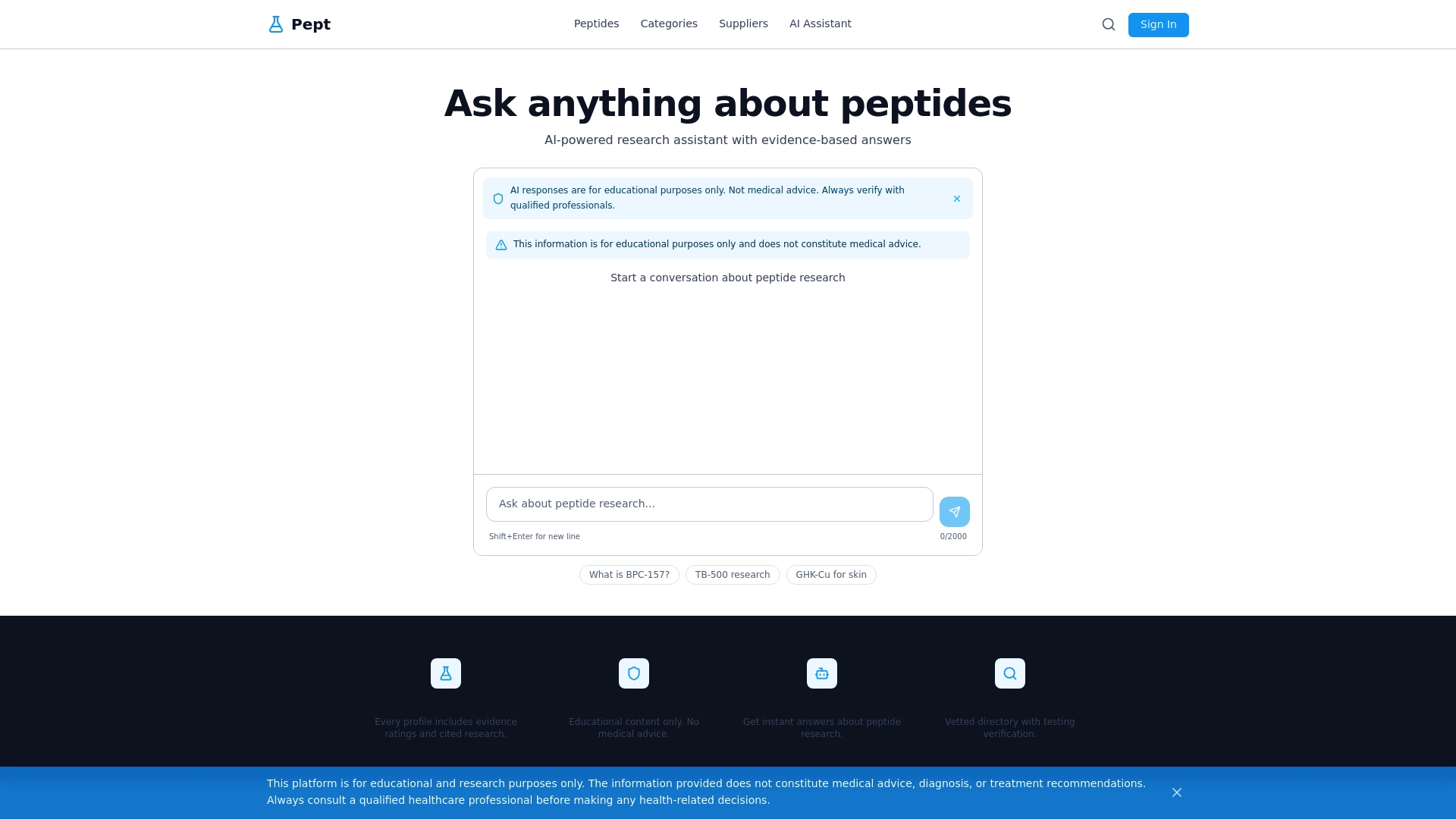
Our platform offers a comprehensive directory of vetted peptide suppliers meeting strict quality and testing standards. Each supplier listing includes third party verification, user reviews, and transparent sourcing information. You can compare options, check testing certificates, and make informed purchasing decisions without guessing about product quality.
Browse the extensive peptide directory featuring detailed profiles on mechanisms, dosing, clinical evidence, and user experiences. Each profile synthesizes research from multiple sources into actionable protocols you can implement confidently. Regular updates ensure you access current 2026 evidence rather than outdated information.
Leverage the Pept education platform to stay current on emerging peptide research, safety updates, and protocol innovations. The learning center breaks down complex science into practical guidance for real-world application. Join a community of informed users optimizing their health through evidence-based peptide use.
Frequently asked questions
What are the safest peptides for beginners?
BPC-157 and GHK-Cu offer favorable safety profiles suitable for first-time peptide users. Both compounds have extensive usage data showing minimal side effects when properly dosed. Starting with these peptides at the lower end of dosing ranges allows you to establish tolerance before progressing to more complex protocols. Always source from verified suppliers and consult healthcare providers to ensure safe implementation.
How long should I wait between peptide cycles?
A 4 to 6 week break after 8 to 12 week cycles prevents receptor desensitization and maintains peptide effectiveness. Growth hormone secretagogues particularly require off periods to preserve pituitary responsiveness. This cycling approach reduces cumulative side effect risks while ensuring your body remains sensitive to peptide signals for future protocols.
Can I combine peptides for better results?
Yes, strategic stacking like CJC-1295 with Ipamorelin enhances results through complementary mechanisms. Clinical data supports 20 to 30% improved outcomes compared to single peptide use. However, stacked protocols require careful dose management and medical supervision to minimize side effect risks while maximizing synergistic benefits.
What should I monitor during peptide treatment?
Track biomarkers including fasting glucose, insulin sensitivity, IGF-1 levels, and lipid panels at regular intervals. Monitor subjective measures like recovery time, body composition changes, sleep quality, and any side effects. Regular healthcare provider consultations allow for protocol adjustments based on objective lab data and your individual response patterns.