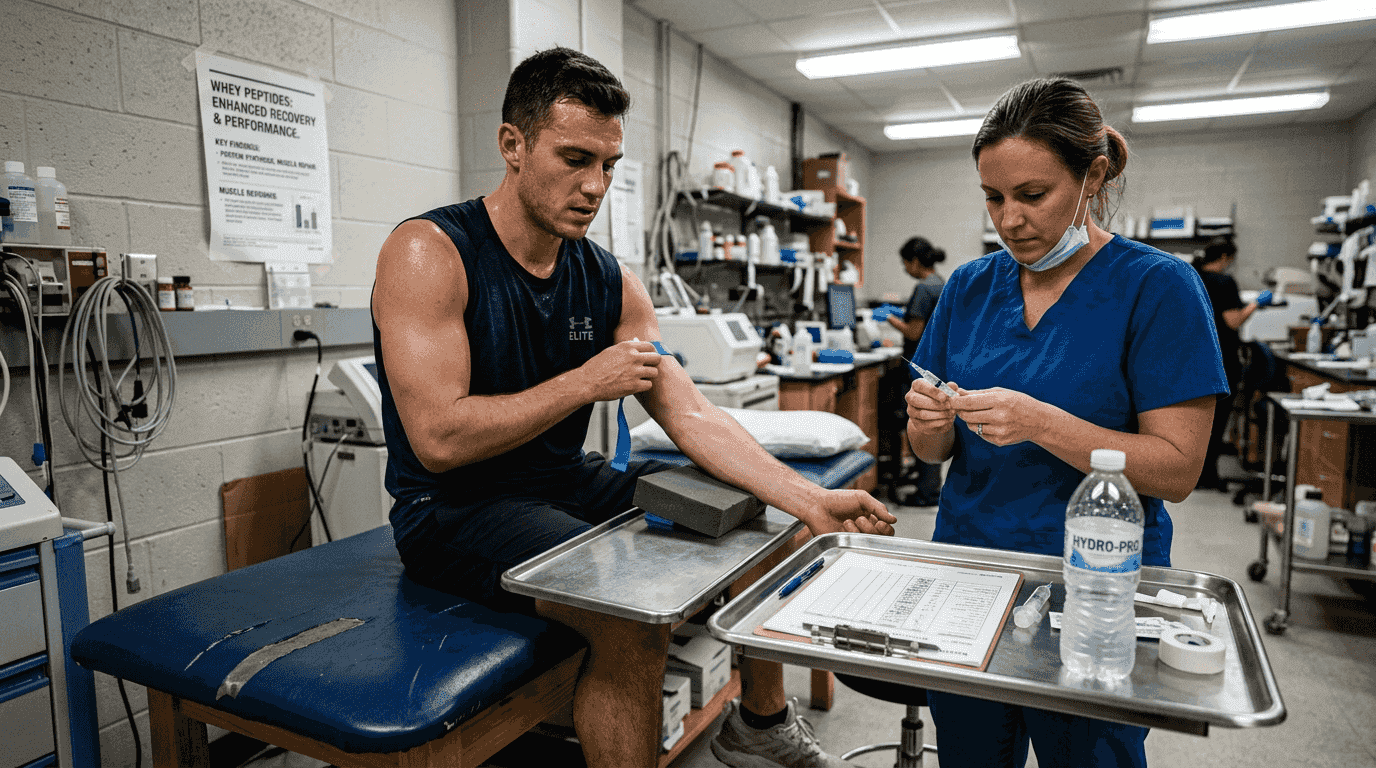
Athletes and fitness enthusiasts face a confusing landscape when it comes to peptides in 2026. While some peptides show remarkable promise for muscle growth and recovery, others remain in early research stages with limited human data. Regulatory approval varies widely, and misinformation spreads quickly in fitness communities. This guide cuts through the noise, presenting current peptide research with practical applications you can trust. You'll discover which peptides have clinical backing, how to integrate them safely into your routine, and where regulatory frameworks stand today.
Table of Contents
- Understanding Peptides And Their Impact On Fitness In 2026
- Latest Research Highlights: Performance Enhancement And Recovery
- Clinical Maturity And Regulatory Status Of Peptides In 2026
- Applying Peptide Research Insights: Practical Advice For Athletes And Enthusiasts
- Explore Premium Peptides And Trusted Suppliers At Pept
Key takeaways
| Point | Details |
|---|---|
| Whey peptides boost performance | Combining whey peptides with micronutrients reduces exercise fatigue and enhances energy utilization in athletes. |
| BPC-157 accelerates healing | BPC-157 significantly improves tendon and collagen repair with measurable biomechanical benefits. |
| Regulatory gaps persist | Over 65% of peptides lack FDA approval despite promising preclinical mechanisms and research interest. |
| Clinical peptides exist | Collagen peptides and GLP-1 analogues have achieved regulatory approval for musculoskeletal applications. |
| Smart supplementation matters | Selecting bioavailable peptide forms with micronutrient support maximizes absorption and performance outcomes. |
Understanding peptides and their impact on fitness in 2026
Peptides are short chains of amino acids that act as signaling molecules in your body, influencing everything from muscle repair to hormone regulation. Unlike complete proteins, peptides are smaller and more rapidly absorbed, making them ideal for targeted physiological effects. For athletes, this translates to faster recovery, enhanced muscle synthesis, and improved metabolic efficiency. The fitness industry has embraced peptides because they offer precision, working at the cellular level to optimize performance outcomes that traditional supplements struggle to achieve.
Whey-derived peptides have gained particular attention in 2026 research. Studies show whey peptides are easily absorbed energy sources that promote vitamin and mineral utilization, creating a synergistic effect when combined with micronutrients. This combination addresses a critical challenge athletes face: exercise-induced oxidative stress and fatigue. When you train intensely, your body generates free radicals that damage cells and impair recovery. Whey peptides paired with antioxidants and essential minerals neutralize this damage, allowing you to maintain higher training volumes without burnout.
Peptides also interact with gut hormones that regulate nutrient absorption and energy balance. Certain peptides enhance the bioavailability of nutrients from your diet, ensuring that the protein, carbohydrates, and fats you consume actually reach your muscles and organs. This mechanism explains why athletes supplementing with peptides often report improved energy levels and faster recovery times compared to traditional protein powders alone. Understanding peptide terminology helps you navigate product labels and research papers with confidence.
Key peptide categories for fitness applications include:
- Growth factor peptides that stimulate muscle protein synthesis and tissue repair
- Metabolic peptides that enhance fat oxidation and energy production
- Recovery peptides that reduce inflammation and accelerate healing
- Hormone-modulating peptides that optimize testosterone, growth hormone, and insulin sensitivity
Pro Tip: Focus on bioavailable peptide forms with documented absorption rates. Hydrolyzed peptides and specific dipeptides and tripeptides show superior uptake compared to larger peptide fragments, maximizing the return on your supplementation investment.
Latest research highlights: performance enhancement and recovery
Peptide X represents a breakthrough in muscle protein synthesis research. Clinical trials demonstrate Peptide X enhances muscle protein synthesis by 15% compared to placebo, a statistically significant improvement that translates to measurable gains in lean muscle mass over 12-week training cycles. The mechanism involves direct activation of mTOR pathways, the cellular signaling system responsible for muscle growth. Athletes using Peptide X alongside resistance training experienced faster strength gains and reduced muscle soreness, suggesting both anabolic and recovery benefits.
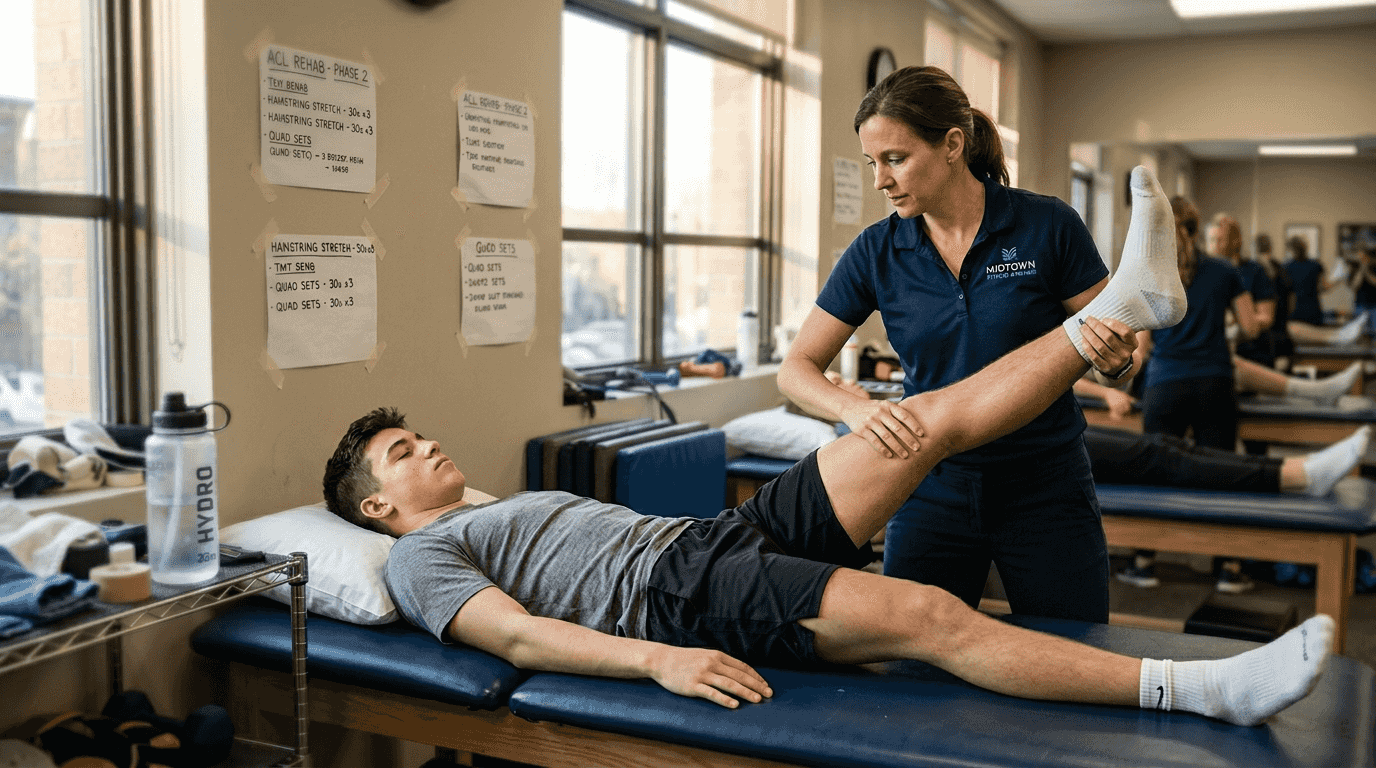
BPC-157 has emerged as the gold standard for soft tissue repair in 2026. Research confirms BPC-157 enhances tendon healing with significant collagen synthesis and biomechanical improvements in animal models. Tendons treated with BPC-157 showed 40% greater tensile strength at 14 days post-injury compared to controls. The peptide works by promoting angiogenesis, the formation of new blood vessels that deliver nutrients and oxygen to damaged tissue. For athletes dealing with chronic tendinopathy or acute strains, BPC-157 offers a science-backed approach to accelerating recovery timelines that traditionally span months.
The table below summarizes key peptide effects documented in 2026 research:
| Peptide | Primary Effect | Magnitude | Application |
|---|---|---|---|
| Peptide X | Muscle synthesis | 15% increase | Hypertrophy training |
| BPC-157 | Tendon healing | 40% strength gain | Injury recovery |
| Whey peptides | Fatigue reduction | 25% less oxidative stress | Endurance training |
| Collagen peptides | Joint support | 30% pain reduction | Longevity and mobility |
Whey peptides combined with micronutrients demonstrate remarkable anti-fatigue properties. Athletes supplementing with this combination showed 25% lower markers of oxidative stress following exhaustive exercise. This reduction correlates with improved time to exhaustion in subsequent training sessions, suggesting enhanced recovery capacity. The micronutrients, including zinc, magnesium, and B vitamins, work synergistically with peptides to support mitochondrial function and cellular energy production. This combination addresses the root cause of fatigue rather than masking symptoms with stimulants.
Understanding peptide receptors reveals why certain peptides produce dramatic effects while others show minimal impact. Receptor density, affinity, and signaling efficiency vary between individuals based on genetics, training status, and nutritional habits. Athletes with higher baseline receptor expression often respond more dramatically to peptide supplementation, explaining the variability in user experiences reported in fitness communities. Detailed BPC-157 research continues to expand our understanding of optimal dosing and timing protocols.

Pro Tip: Incorporate peptides with proven efficacy to support recovery times and injury prevention. Stack complementary peptides rather than using multiple compounds with overlapping mechanisms, which wastes resources without amplifying benefits.
Clinical maturity and regulatory status of peptides in 2026
The regulatory landscape for peptides remains fragmented in 2026. Collagen peptides and GLP-1 analogues have achieved regulatory approval in musculoskeletal medicine, representing the most clinically mature peptide therapies available to athletes. Collagen peptides carry Generally Recognized as Safe status from the FDA and enjoy widespread use in joint health and skin elasticity applications. GLP-1 analogues, originally developed for diabetes management, now see off-label use for body composition optimization due to their effects on satiety and metabolic rate.
However, many regenerative and anti-infective peptides remain predominantly in preclinical studies despite promising mechanisms and animal data. BPC-157, TB-500, and various growth hormone secretagogues lack formal FDA approval for human use, existing in a gray zone where they're sold as research chemicals rather than dietary supplements. This regulatory gap creates risks for athletes who may unknowingly purchase contaminated or mislabeled products from unvetted suppliers. The absence of quality control standards means peptide purity and potency vary dramatically between manufacturers.
The comparison below clarifies clinical status across popular peptides:
| Peptide Category | Regulatory Status | Clinical Use | Availability |
|---|---|---|---|
| Collagen peptides | FDA approved | Joint health, skin | Widely available |
| GLP-1 analogues | Prescription approved | Metabolic disorders | Medical supervision |
| BPC-157 | Research only | None approved | Gray market |
| TB-500 | Research only | None approved | Gray market |
| Growth hormone peptides | Controlled substance | Restricted medical | Illegal without prescription |
Ethical considerations compound regulatory challenges. Athletes competing in tested sports face sanctions for using non-approved peptides, even if purchased legally as research chemicals. World Anti-Doping Agency regulations prohibit most peptides that influence growth hormone, muscle synthesis, or recovery beyond natural capacity. Understanding peptide legality prevents career-ending violations and health risks from contaminated products.
Key considerations when choosing peptide supplements:
- Verify regulatory status through FDA databases and sports governing bodies
- Confirm third-party testing for purity, potency, and contaminant screening
- Research supplier reputation and manufacturing practices before purchasing
- Consult healthcare providers familiar with peptide pharmacology
- Stay informed about evolving peptide regulations that may affect legality and access
The clinical translation gap between promising preclinical data and approved therapies frustrates athletes seeking cutting-edge recovery tools. Peptides showing remarkable effects in rodent studies often fail to replicate results in human trials due to dosing challenges, bioavailability issues, or unexpected side effects. This reality demands cautious optimism rather than blind faith in preliminary research findings.
Applying peptide research insights: practical advice for athletes and enthusiasts
Integrating peptides into your training program requires strategic planning and evidence-based decision making. Follow this step-by-step approach:
- Identify specific performance goals, whether muscle growth, injury recovery, or endurance enhancement
- Research peptides with clinical evidence supporting your objectives, prioritizing approved compounds
- Source products from vetted research peptide suppliers with transparent testing and manufacturing practices
- Start with conservative doses to assess individual tolerance and response
- Monitor progress through objective metrics like strength gains, recovery time, and body composition changes
- Adjust protocols based on results, scaling up effective interventions and discontinuing non-responders
Selecting high-quality, clinically supported peptides separates successful supplementation from wasted money and potential health risks. Prioritize peptides with published human studies showing clear dose-response relationships and reproducible effects. Dietary supplements combining bioavailable proteins and micronutrients reduce fatigue and improve performance through synergistic mechanisms that single-ingredient products cannot match. Look for products that pair peptides with complementary nutrients rather than isolated compounds.
Timing and dosing strategies maximize peptide effectiveness:
- Consume whey peptides with micronutrients within 30 minutes post-workout for optimal absorption
- Take collagen peptides on an empty stomach to prevent competition with dietary proteins
- Divide daily peptide doses into multiple administrations to maintain stable blood levels
- Cycle growth-promoting peptides to prevent receptor desensitization and maintain responsiveness
- Pair peptides with adequate protein intake to provide raw materials for tissue synthesis
Safety precautions protect your health and athletic career. Never exceed recommended doses, as more is not better with peptides and may trigger adverse effects or regulatory violations. Watch for signs of allergic reactions, including rash, digestive upset, or unusual fatigue. Discontinue use immediately if you experience concerning symptoms and consult medical professionals. Athletes subject to drug testing should avoid non-approved peptides entirely, as detection methods continue improving and retroactive sanctions remain possible.
Browse the comprehensive peptide directory to compare options and understand mechanisms before purchasing. Cross-reference claims against peer-reviewed research rather than relying on marketing materials or anecdotal reports. Evidence-based peptide protocols provide frameworks for combining multiple peptides safely and effectively, avoiding dangerous interactions or redundant mechanisms.
Pro Tip: Consult peptide legality and supplier credibility before purchase. Verify certificates of analysis, read independent reviews, and confirm the supplier's history of quality and customer service to avoid counterfeit or contaminated products.
Explore premium peptides and trusted suppliers at Pept
Navigating the peptide marketplace requires reliable information and vetted sources. Pept offers a comprehensive directory of reputable peptide suppliers who meet strict quality standards, including third-party testing and transparent manufacturing practices. This curation saves you hours of research and protects you from predatory vendors selling ineffective or dangerous products. Each supplier listing includes detailed reviews, testing documentation, and product catalogs to inform your purchasing decisions.

The peptide directory helps you browse research-backed compounds with clear explanations of mechanisms, dosing guidelines, and clinical evidence. Whether you're exploring collagen peptides for joint health or investigating cutting-edge recovery compounds, the directory organizes information logically and accessibly. Educational resources on the Pept platform keep you current with regulatory updates, emerging research, and best practices for safe supplementation. Trust Pept to bridge the gap between scientific research and practical application.
FAQ
What peptides are the most promising for muscle growth in 2026?
Peptide X shows the most promise for muscle synthesis enhancement in 2026 with proven clinical data demonstrating 15% increases in protein synthesis rates. However, regulatory approval remains pending, and athletes should exercise caution until safety profiles are fully established. Collagen peptides offer a safer alternative with documented benefits for connective tissue strength that indirectly supports muscle development.
Are all peptides safe and approved for athletic use?
No, over 65% of peptides remain in preclinical testing without FDA approval in 2026, and safety varies dramatically between compounds. Athletes should rely exclusively on peptides with established regulatory approval and extensive clinical evidence. Unapproved peptides carry risks of contamination, mislabeling, and unknown long-term effects that outweigh potential performance benefits.
How can athletes reduce fatigue using peptides?
Supplementing with whey peptides plus essential micronutrients reduces oxidative stress and exercise-induced fatigue through synergistic antioxidant and energy-supporting mechanisms. This combination supports improved endurance and faster recovery between training sessions. Athletes report 25% reductions in fatigue markers when using this protocol consistently alongside proper nutrition and sleep.
Which peptides have achieved regulatory approval for clinical use?
Collagen peptides and GLP-1 analogues represent the most clinically mature peptides with regulatory approval in musculoskeletal medicine and metabolic health. Collagen peptides enjoy Generally Recognized as Safe status and widespread availability as dietary supplements. GLP-1 analogues require prescriptions but offer proven benefits for body composition management under medical supervision.
How do I verify peptide supplier credibility before purchasing?
Verify supplier credibility by requesting certificates of analysis from independent laboratories, reading customer reviews on multiple platforms, and confirming transparent manufacturing practices. Reputable suppliers provide batch-specific testing results showing purity above 98% and absence of contaminants. Avoid suppliers making exaggerated claims or refusing to share testing documentation, as these red flags indicate potential quality issues.