
Many fitness enthusiasts believe peptides like BPC-157 are legal to buy and use freely for performance and recovery. However, the reality is far more complex. The FDA's 2026 reclassification reshaped what's legal, creating confusion about which peptides you can legally access and how to stay compliant while pursuing your wellness goals.
Table of Contents
- Introduction To Peptide Regulations
- Understanding FDA Peptide Categories And Legal Framework
- Global Overview Of Peptide Regulations
- Common Misconceptions About Peptide Use And Legality
- Safety And Quality Concerns With Peptides
- Legal Risks And Enforcement Realities For Personal Peptide Use
- Practical Guide: How To Navigate Peptide Regulations Safely
- Explore Trusted Peptide Resources And Suppliers
- Frequently Asked Questions
Key takeaways
| Point | Details |
|---|---|
| FDA classification system | The FDA divides peptides into Category 1 (legal for compounding) and Category 2 (banned), with 14 peptides reclassified in 2026. |
| Research use labels mislead | Peptides marked 'research use only' are not legal for personal fitness use regardless of labeling. |
| Global laws vary widely | International peptide regulations differ dramatically, affecting import, travel, and legal possession. |
| Prescription requirement | Legal peptide access requires prescriptions from licensed compounding pharmacies to ensure compliance. |
| Enforcement priorities | Regulatory bodies focus more on athletes and professionals than general users, but personal risks remain real. |
Introduction to peptide regulations
Peptides are short chains of amino acids that signal specific biological responses in your body. The fitness and wellness communities embrace them for muscle recovery, fat loss, injury healing, and anti-aging benefits. Popular peptides include BPC-157 for tissue repair, CJC-1295 for growth hormone stimulation, and Ipamorelin for metabolic enhancement.
Regulatory oversight exists because peptides directly affect physiological processes, making quality control essential. The FDA leads peptide regulation in the United States, while other countries follow different frameworks through their health authorities. These agencies aim to protect consumers from contaminated or mislabeled products that could cause serious harm.
Unregulated peptide use creates significant health risks:
- Contamination from poor manufacturing conditions introduces bacteria or heavy metals
- Inconsistent dosing leads to ineffective treatment or dangerous overdoses
- Unknown purity levels trigger unexpected immune responses
- Lack of clinical validation means unpredictable side effects
The regulatory landscape evolved rapidly between 2023 and 2026, reshaping how you can legally access peptides. Understanding these changes helps you make informed decisions while minimizing legal and health consequences. The following sections break down specific regulations, international variations, and practical compliance strategies for personal peptide use.
Understanding FDA peptide categories and legal framework
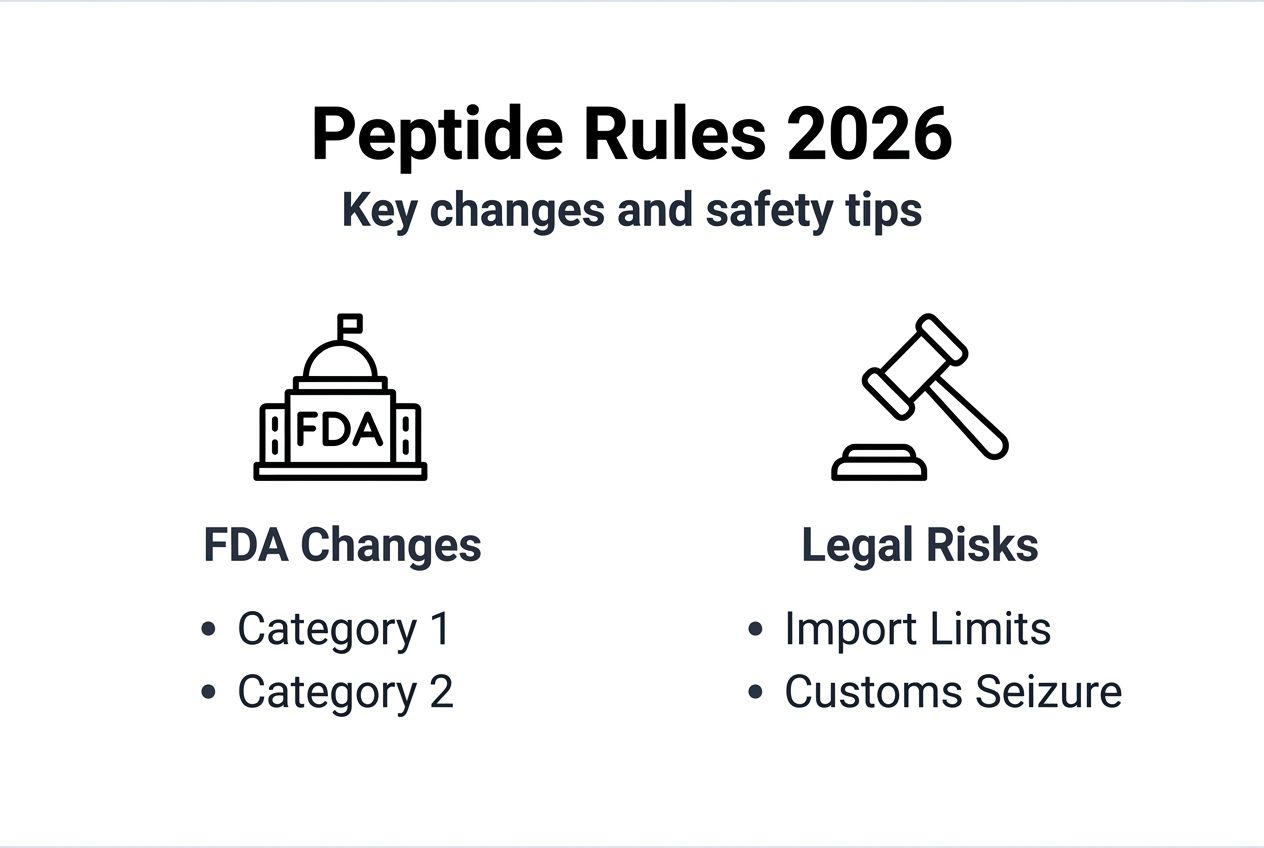
The FDA created two distinct classifications affecting peptide availability. Category 1 includes peptides approved as bulk drug substances for compounding by licensed pharmacies under physician prescriptions. Category 2 designates peptides banned from compounding due to safety concerns, withdrawal from market approval, or demonstrated risks outweighing benefits.
The 14 peptides reclassified in early 2026 moved from Category 2 back to Category 1, reversing previous restrictions. This shift allows licensed U.S. compounding pharmacies to legally prepare these peptides again when prescribed by qualified physicians. The reclassification addressed concerns that blanket bans restricted legitimate therapeutic access without proportional safety justification.
| Category | Compounding Status | Prescription Required | Examples |
|---|---|---|---|
| Category 1 | Permitted by licensed pharmacies | Yes, physician required | BPC-157, CJC-1295, Ipamorelin |
| Category 2 | Banned for compounding | N/A (not available) | Specific withdrawn peptides |
| Unapproved | Illegal without exemption | No legal pathway | Grey market products |
How these categories affect your access:
- Category 1 peptides require valid prescriptions from healthcare providers
- Compounding pharmacies must hold proper licensing and follow strict quality standards
- Direct consumer purchase without prescriptions remains illegal regardless of category
- Online retailers selling without prescription requirements violate federal law
The FDA intensified enforcement against misleading peptide advertising and unapproved compounded products since late 2023. Regulators target companies making unsubstantiated health claims or selling contaminated products. This enforcement protects consumers but also restricts easy access many users previously enjoyed.
The distinction between Category 1 and 2 determines whether licensed pharmacies can legally compound specific peptides. Category placement depends on safety data, clinical research, and regulatory review outcomes. Peptides can move between categories as new evidence emerges or regulatory priorities shift.
Pro Tip: Before purchasing any peptide, verify its current FDA category status and confirm your source is a licensed compounding pharmacy requiring valid prescriptions. This simple check prevents most legal and safety issues.
Navigating this framework requires understanding that the peptide education platform offers resources explaining which peptides fall under each category and how regulations affect your access options.
Global overview of peptide regulations
Peptide laws outside the United States create a complex patchwork affecting international users. The regulatory landscape varies dramatically across jurisdictions, with some countries lacking specific peptide legislation entirely. This inconsistency confuses users who travel, import products, or follow international fitness communities.
Major regulatory approaches worldwide:
- European Union countries typically classify peptides as prescription medicines requiring strict oversight
- Australia maintains restrictive policies treating most peptides as controlled substances
- Canada follows similar prescription requirements but with slightly more flexible compounding rules
- Many Asian and South American countries lack clear peptide-specific regulations
Stricter jurisdictions like Australia and certain EU nations impose severe penalties for unauthorized peptide possession. These countries treat peptide violations similarly to controlled substance offenses, with potential criminal charges for personal use quantities. Users importing peptides into these regions face customs seizures, fines, or prosecution.
Conversely, some countries with minimal pharmaceutical oversight allow relatively open peptide sales. However, this lax regulation often correlates with poor quality control and higher contamination risks. The absence of enforcement doesn't guarantee product safety or legitimacy.
Import and export restrictions create particular challenges for travelers and online shoppers. Customs agencies increasingly screen packages for pharmaceutical compounds, including peptides. Declaring peptides at borders without proper documentation risks confiscation and legal consequences. Even transiting through countries with strict laws while carrying peptides can trigger enforcement actions.

Real-world examples illustrate these variations. The United Kingdom classifies certain peptides as prescription-only medicines but tolerates personal imports in small quantities. Japan maintains extremely strict pharmaceutical laws that treat unauthorized peptide possession as serious violations. Mexico's enforcement remains minimal, though product quality varies widely.
Before acquiring peptides internationally, research destination country laws thoroughly. The research peptides directory provides starting points for understanding which peptides face restrictions in various jurisdictions. Assuming your home country's rules apply abroad creates unnecessary legal risks.
Common misconceptions about peptide use and legality
The 'research use only' label represents the most dangerous misconception in peptide communities. Sellers use this designation to create legal cover while marketing products for human consumption. The FDA's enforcement position is clear: intended use and marketing determine legality, not disclaimers or labels.
Your actual intent matters more than product labeling. Companies selling 'research peptides' with dosing protocols, injection guides, and fitness benefits clearly target human use. These marketing practices make the products unapproved drugs under FDA jurisdiction, regardless of 'not for human consumption' disclaimers.
Common myths that lead users astray:
- Believing research labels legalize personal fitness and wellness use
- Assuming all online peptide vendors operate legally within regulatory frameworks
- Thinking compounded pharmacy peptides lack proper oversight or quality standards
- Expecting popular demand makes peptides like BPC-157 freely available without prescriptions
The reality about compounded pharmacy peptides contradicts another widespread belief. Many users assume compounding pharmacies operate in legal grey areas or produce inferior products. Actually, licensed compounding pharmacies face rigorous state and federal oversight. Category 1 peptides from these sources undergo quality testing and batch verification that grey market products completely lack.
BPC-157 research overview shows this peptide remains prescription-only despite massive online promotion and fitness community popularity. Easy website access doesn't confer legal personal use rights. The gap between availability and legality confuses many users into assuming widespread sales indicate regulatory approval.
Marketing creates false confidence by emphasizing peptide benefits while minimizing legal requirements. Influencers and online forums often share personal experiences without mentioning prescription requirements or legal compliance steps. This selective information sharing normalizes potentially illegal practices.
Pro Tip: Always verify your peptide source holds proper pharmacy licensing and requires valid prescriptions before purchase. If a vendor ships without prescription verification, they're operating illegally and selling potentially dangerous products.
Understanding these distinctions protects you from both legal consequences and health risks associated with non-compliant peptide acquisition.
Safety and quality concerns with peptides
Grey market peptide products carry serious health risks that extend far beyond legal concerns. Batch variability and contamination plague underground suppliers who lack quality control infrastructure. These products may contain incorrect compounds, bacterial contamination, or dangerous impurities that trigger severe adverse reactions.
Specific safety risks from unregulated sources:
- Endotoxin contamination from bacterial cell walls causing inflammatory responses
- Heavy metal residues from improper manufacturing equipment
- Incorrect peptide sequences that produce unpredictable biological effects
- Wildly inconsistent potency leading to underdosing or dangerous overdoses
- Complete absence of sterility testing for injectable products
Immunogenic responses represent particularly concerning risks with impure peptides. Your immune system may develop antibodies against contaminated peptide preparations, potentially creating allergic reactions or reducing therapeutic effectiveness. Some users experience injection site reactions, systemic inflammation, or autoimmune-like symptoms from low-quality products.
Licensed compounding pharmacies following FDA guidelines implement strict quality controls. These facilities test raw materials, verify peptide identity and purity, ensure sterility for injectables, and maintain detailed batch records. The quality gap between legitimate pharmacy peptides and grey market products is enormous.
Documented safety problems illustrate real consequences. Users have reported severe infections from contaminated peptides, unexpected side effects from mislabeled compounds, and therapeutic failures from inactive products. Some cases required hospitalization for serious adverse reactions that legitimate pharmaceutical-grade peptides wouldn't cause.
"The lack of regulatory oversight for 'research use' peptides creates unacceptable safety risks. Patients using these products have no assurance of purity, potency, or even basic sterility. The potential for serious harm far outweighs any perceived cost savings or convenience."
Obtaining peptides through proper channels eliminates most quality-related risks. The vetted peptide suppliers directory connects users with licensed pharmacies that maintain appropriate standards. The price difference between legitimate and grey market sources reflects real costs of quality assurance, not arbitrary markup.
Your health deserves the protection that proper sourcing provides. Contaminated or impure peptides can cause lasting damage that far exceeds any benefits you sought from peptide use.
Legal risks and enforcement realities for personal peptide use
Legal penalties for unauthorized peptide possession vary significantly by jurisdiction and context. Federal law treats unapproved peptides as misbranded drugs, potentially triggering criminal charges for distribution or sales. Personal possession typically draws less severe consequences, though civil penalties and product seizures remain possible.
Enforcement priorities create uneven risk profiles across user groups:
- Competitive athletes face strict testing and severe sanctions for prohibited peptide use
- Military personnel encounter career-ending consequences under uniform code regulations
- Healthcare professionals risk licensing board actions and professional sanctions
- General fitness enthusiasts experience minimal direct enforcement but still face legal exposure
The FDA focuses enforcement resources on manufacturers, distributors, and sellers rather than individual consumers. This practical reality means most personal users avoid prosecution despite technically violating regulations. However, this enforcement gap doesn't eliminate legal risks or create safe harbor for non-compliant peptide acquisition.
Customs and border enforcement represents the highest risk point for personal users. International peptide shipments frequently face seizure, triggering investigations into ordering patterns and sources. Repeated seizures or large quantities escalate enforcement attention and potential penalties.
Real enforcement scenarios demonstrate varying outcomes. Some users received warning letters after customs seizures with no further action. Others faced criminal charges when peptide possession connected to distribution activities or professional contexts. The unpredictability of enforcement creates risk even when prosecution seems unlikely.
Import violations carry additional consequences beyond peptide-specific regulations. Fraudulent customs declarations, importing controlled substances, or receiving pharmaceutical products without proper authorization each trigger separate legal issues. These compound risks make international grey market sourcing particularly problematic.
The legal risks of peptide use extend beyond direct criminal penalties to include civil liability, insurance complications, and professional consequences. Even if you avoid prosecution, non-compliant peptide use can affect medical treatment, insurance coverage, or employment in regulated fields.
Cautious behavior minimizes exposure despite limited general enforcement. Following proper prescription and pharmacy channels eliminates most legal risks while ensuring product quality and safety.
Practical guide: how to navigate peptide regulations safely
Following a systematic approach keeps you compliant while accessing peptides for legitimate wellness goals. These steps minimize legal and health risks through proper channels and informed decision-making.
-
Confirm your peptide's regulatory classification before any purchase attempt. Check current FDA category status, as classifications change with new rulings. Verify whether your desired peptide falls under Category 1 (legal for compounding) or faces restrictions.
-
Obtain peptides exclusively through licensed compounding pharmacies requiring valid prescriptions. Locate pharmacies with proper state and federal credentials. Schedule consultations with qualified healthcare providers who can evaluate your needs and write appropriate prescriptions.
-
Avoid all grey market 'research use only' peptide sources regardless of price advantages or convenience. These products carry unacceptable safety and legal risks that legitimate sources eliminate. The cost savings never justify contamination risks or legal exposure.
-
Stay current with regulatory changes affecting peptide availability and legal status. The 2026 reclassification demonstrates how quickly rules evolve. Subscribe to regulatory updates or follow trusted information sources tracking peptide legislation.
-
Understand import and prescription laws in your jurisdiction before acquiring peptides. Research local regulations if you live outside the United States. Verify that your planned peptide use complies with applicable state and federal requirements.
-
Document your prescription and pharmacy relationships for potential future verification needs. Maintain records showing legal acquisition through proper channels. This documentation protects you if questions arise about peptide possession or use.
Pro Tip: Consult healthcare professionals with specific peptide therapy knowledge for personalized guidance. Many conventional doctors lack familiarity with peptide regulations and therapeutic applications. Seek providers experienced in peptide protocols who understand both medical and legal requirements.
The safe peptide sources and licensed peptide pharmacies directories simplify finding compliant acquisition channels. These vetted resources connect you with legitimate providers following proper regulatory frameworks.
Implementing these steps requires more effort than grey market shortcuts but delivers superior safety and legal protection. The minor inconvenience of proper channels prevents major health and legal consequences.
Explore trusted peptide resources and suppliers
Navigating peptide regulations becomes significantly easier with access to vetted resources and compliant suppliers. The complexity of evolving FDA rules, quality concerns, and legal requirements makes trusted guidance essential for safe peptide use.
Pept maintains a comprehensive vetted peptide suppliers directory connecting users with licensed pharmacies that require proper prescriptions and follow regulatory standards. These verified sources eliminate guesswork about provider legitimacy and product quality.
The research peptides directory offers detailed information about specific peptides, their regulatory status, therapeutic applications, and compliance requirements. This educational resource helps you understand which peptides suit your goals while remaining legally accessible.
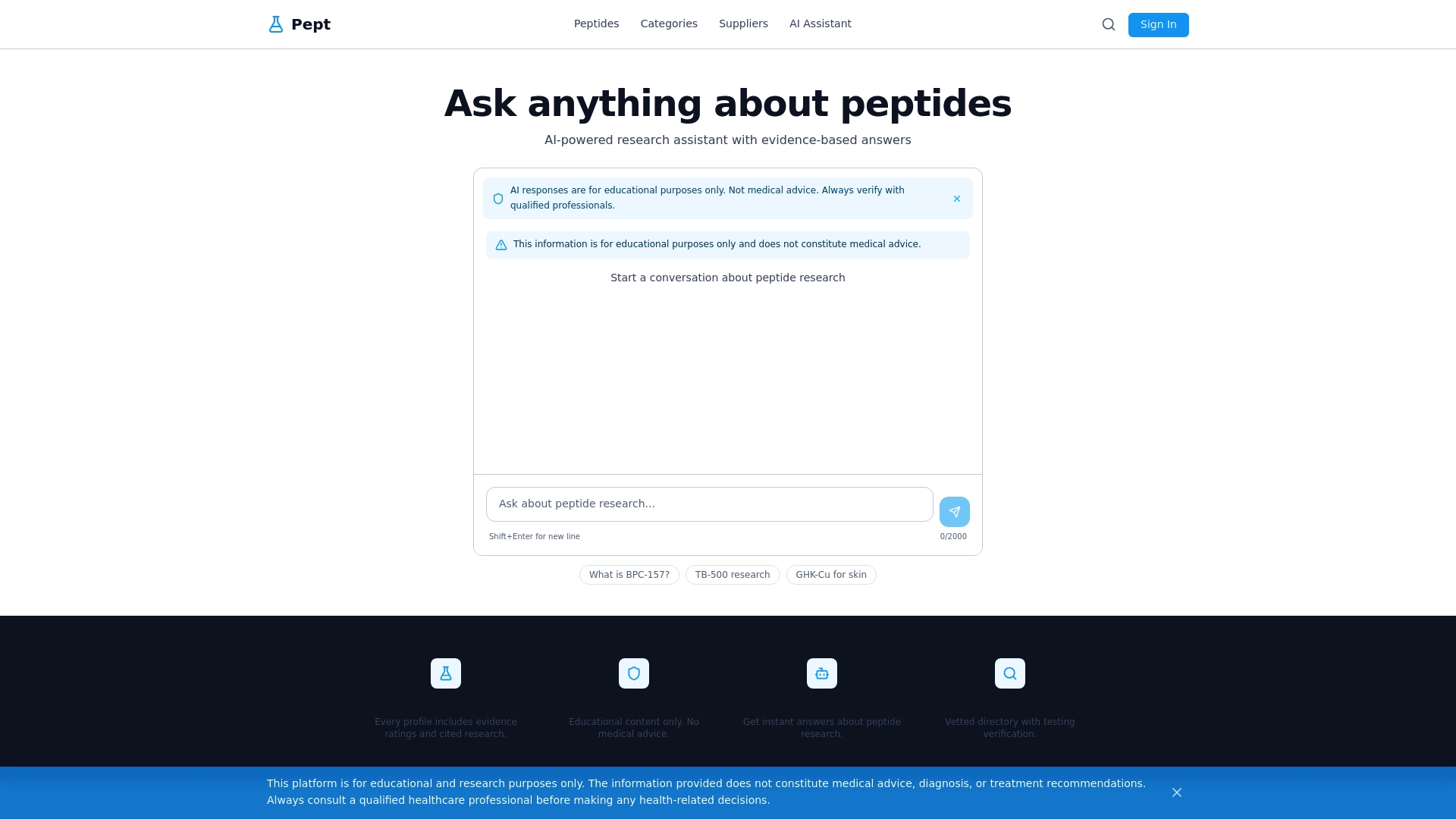
As a trusted peptide education platform, Pept combines regulatory guidance, supplier verification, and comprehensive peptide information in one centralized resource. This integrated approach supports informed decision-making while prioritizing your safety and legal compliance throughout your peptide journey.
Frequently asked questions
Are peptides legal to buy for personal use in 2026?
Most peptides require prescriptions from licensed healthcare providers and must be compounded by properly credentialed pharmacies to be legal. The FDA's Category 1 designation allows certain peptides for prescription compounding, but direct consumer purchase without medical oversight remains illegal. Your location's specific regulations may impose additional restrictions beyond federal requirements.
What does 'research use only' mean for peptide legality?
The 'research use only' label provides no legal protection for personal fitness or wellness use. The FDA determines legality based on intended use and marketing, not product labeling. Vendors using this designation to sell peptides for human consumption violate federal regulations, and purchasing these products exposes you to legal and safety risks.
How do international peptide laws affect travelers?
Global peptide regulations vary dramatically, making international travel with peptides legally complex. Some countries treat peptides as controlled substances with severe possession penalties, while others lack specific regulations. Import and export restrictions mean crossing borders with peptides risks customs seizures, fines, or criminal charges even if legal in your home country.
Can I import peptides legally from international sources?
Importing peptides without proper documentation and prescriptions typically violates customs and pharmaceutical regulations. Most countries restrict pharmaceutical imports to licensed entities or require specific permits. Personal importation of prescription peptides may be permitted in limited circumstances with proper documentation, but grey market imports face seizure and potential legal consequences.
Why is enforcement limited for personal peptide users?
Regulatory agencies prioritize enforcement against manufacturers, distributors, and sellers rather than individual consumers due to resource constraints and impact considerations. However, limited enforcement doesn't eliminate legal risks or make personal use legal. Athletes, military personnel, and regulated professionals face stricter consequences than general fitness enthusiasts.
What safety risks come from non-prescription peptides?
Grey market peptides carry significant contamination risks including bacteria, heavy metals, and incorrect compounds. Batch variability means unpredictable potency that can cause dangerous overdoses or therapeutic failures. Lack of sterility testing for injectable products creates infection risks, while impure peptides may trigger adverse immune responses or allergic reactions.