
You've heard about peptides promising faster muscle growth and recovery, but the flood of conflicting information leaves you uncertain about where to start safely. Between confusing dosing protocols, questionable suppliers, and unclear legal status, the risks feel as overwhelming as the potential benefits. This guide cuts through the noise with a clear, evidence-based roadmap to help fitness enthusiasts understand peptides, prepare properly, administer them safely, and set realistic expectations for muscle gains and recovery improvements.
Table of Contents
- Introduction To Peptides And Their Role In Muscle Growth
- Prerequisites: What You Need Before Starting Peptides
- Core Steps For Safe And Effective Peptide Use
- Alternative Approaches And Tradeoffs In Peptide Administration
- Troubleshooting Common Mistakes In Peptide Use
- Expected Results And Outcomes From Peptide Use
- Explore Trusted Peptide Resources And Suppliers
- Frequently Asked Questions About Peptides For Muscle Growth
Key Takeaways
| Point | Details |
|---|---|
| Peptides are short amino acid chains that influence muscle repair and growth through specific biological pathways. | BPC-157 promotes tissue healing while Ipamorelin stimulates growth hormone release for muscle gains. |
| Medical screening, proper storage, sterile supplies, and understanding legal status are essential prerequisites. | Pre-use health checks reduce adverse event risks by over 40%. |
| Safe peptide use follows a stepwise protocol: screening, selection, sourcing, learning administration, dosing, cycling, and monitoring. | Beginners should focus on proven peptides like BPC-157 and Ipamorelin with 8-12 week cycles. |
| Injection methods offer 80% bioavailability versus 10-20% for nasal or oral administration. | Your choice depends on comfort level, desired speed of results, and tolerance for self-injection. |
| Common mistakes include improper dosing, poor injection site rotation, inadequate storage, and using unverified suppliers. | Following strict protocols and sourcing from verified vendors prevents most issues. |
Introduction to Peptides and Their Role in Muscle Growth
Peptides are short chains of amino acids that act as signaling molecules in your body, influencing physiological processes critical to muscle growth and repair. Unlike complete proteins, peptides contain fewer amino acids, typically between 2 and 50, allowing them to target specific cellular pathways with precision. For fitness enthusiasts, certain peptides offer promising benefits for accelerating recovery from training stress and enhancing muscle tissue development.
Two peptides stand out for muscle-focused applications. BPC-157, derived from a protective protein in gastric juice, has gained attention for its regenerative properties in musculoskeletal tissue. Research demonstrates that BPC-157 enhances muscle and tendon healing by promoting angiogenesis, collagen synthesis, and reducing inflammation in tissue injury models. This means faster recovery from the microtrauma that weight training inflicts on muscle fibers.
Ipamorelin represents another category: growth hormone releasing peptides. It selectively stimulates your pituitary gland to increase growth hormone output without affecting cortisol or prolactin levels. This selectivity matters because it minimizes unwanted hormonal side effects while supporting muscle protein synthesis and fat metabolism.
Key peptides for muscle growth include:
- BPC-157 for tissue repair and inflammation reduction
- Ipamorelin for selective growth hormone stimulation
- CJC-1295 for extended growth hormone release (advanced users)
- TB-500 for muscle fiber repair and flexibility
Understanding how these peptides function at a biological level prepares you to use them strategically rather than haphazardly. The Pept education platform offers detailed information on each peptide's mechanisms and research backing. You can explore the peptide directory to compare options and access links to researched peptide suppliers when you're ready to purchase.
Prerequisites: What You Need Before Starting Peptides
Jumping into peptide use without proper preparation invites unnecessary risks. Medical screening forms the foundation of safe peptide supplementation. You need baseline blood work covering liver enzymes, kidney function markers, and hormone panels before starting any peptide protocol. Studies show that pre-use screening reduces adverse event risks by over 40% by identifying contraindications early.
Storage requirements demand attention because peptides degrade rapidly at room temperature. Once reconstituted with bacteriostatic water, peptides must stay refrigerated at 2-8°C to maintain potency. Lyophilized (powder) peptides before mixing can tolerate brief shipping periods, but refrigeration extends their shelf life significantly.
You'll need specific supplies for safe administration:
- Insulin syringes with 29-31 gauge needles for subcutaneous injection
- Bacteriostatic water for reconstitution
- Alcohol swabs for injection site preparation
- Proper sharps disposal container
- Refrigeration unit with consistent temperature control
Legal awareness matters because peptides exist in a regulatory gray area in the United States. The FDA has not approved peptides like BPC-157 or Ipamorelin for human use, classifying them as research chemicals. Purchasing for personal research falls into a legal loophole, but claiming therapeutic use crosses into prohibited territory. Understanding this distinction protects you from legal complications.
The BPC-157 safety profile page offers specific guidance on this peptide's risk factors, while Thymalin research and Selank legal status info provide context for other commonly discussed peptides. Taking these preparatory steps seriously separates responsible peptide users from those who encounter avoidable problems.
Core Steps for Safe and Effective Peptide Use
Once you've completed prerequisite checks, follow this systematic approach to peptide supplementation:
- Complete comprehensive medical screening including liver, kidney, and hormone function tests
- Select your starting peptide based on primary goals (BPC-157 for recovery, Ipamorelin for muscle growth)
- Source peptides exclusively from verified vendors with third-party testing certificates
- Learn proper subcutaneous injection technique through instructional videos or healthcare professional guidance
- Begin with conservative dosing: 250-500mcg daily for BPC-157, 200-300mcg per dose for Ipamorelin
- Follow an 8-12 week cycle with equal off-cycle duration for hormonal recovery
- Monitor for side effects including injection site reactions, headaches, or unusual fatigue
- Track progress through weekly photos, strength metrics, and recovery time measurements
Beginners should focus on single peptide protocols before considering stacks. BPC-157 and Ipamorelin both demonstrate excellent safety profiles in research settings, making them appropriate starting points. Research shows that Ipamorelin stimulates growth hormone release improving muscle mass by 3-5% within 8-12 weeks when combined with consistent resistance training.
Subcutaneous injection into fatty tissue around the abdomen, thighs, or upper arms represents the gold standard administration method. This route offers superior bioavailability compared to oral or nasal alternatives. You'll pinch skin to create a fold, insert the needle at a 45-90 degree angle, inject slowly, and withdraw smoothly.

Pro Tip: Rotate injection sites systematically following a clockwise pattern around your abdomen to prevent tissue damage and minimize infection risk from repeated punctures in the same location.
Dosing schedules vary by peptide. BPC-157 typically requires once or twice daily administration due to its shorter half-life, while modified peptides like CJC-1295 allow less frequent dosing. The BPC-157 dosing guidelines provide detailed protocols, and you can review CJC-1295 safety concerns before considering this more advanced option. For comprehensive administration instructions, check the peptide administration techniques resource.
Alternative Approaches and Tradeoffs in Peptide Administration
Injection isn't your only option for peptide delivery, though it remains the most effective. Nasal sprays and oral capsules offer needle-free alternatives that appeal to injection-averse users. However, these routes involve significant tradeoffs in effectiveness.
Injectable peptides achieve approximately 80% bioavailability because they bypass digestive breakdown and liver metabolism. The peptide enters your bloodstream directly from subcutaneous tissue, delivering predictable effects within 30-60 minutes. This reliability makes dosing calculations straightforward and results consistent.
Nasal spray administration offers moderate convenience with drastically reduced bioavailability around 10-20%. Peptides absorbed through nasal mucosa face degradation from enzymes and irregular absorption patterns based on nasal congestion, mucus presence, and individual anatomy. Effects become less predictable, requiring higher doses to compensate.
Oral peptides face even harsher conditions. Stomach acid and digestive enzymes destroy most peptide bonds before absorption occurs. Bioavailability drops to 5-15% in most cases, making oral administration impractical for anything except specifically designed peptide formulations with protective coatings.
| Method | Bioavailability | Onset Time | Convenience | Best For |
|---|---|---|---|---|
| Subcutaneous Injection | 70-80% | 30-60 min | Low (requires technique) | Maximum effectiveness, precise dosing |
| Nasal Spray | 10-20% | 45-90 min | High (simple application) | Needle phobia, convenience priority |
| Oral Capsules | 5-15% | 90-120 min | Highest (just swallow) | Extreme injection aversion, experimental use |
Your administration choice depends on several factors:
- Comfort level with self-injection procedures
- Priority placed on maximizing results versus convenience
- Budget considerations (oral/nasal require higher doses, increasing cost)
- Experience level with performance supplements
Pro Tip: If you're absolutely opposed to injections, start with nasal or oral forms to assess your response to peptides generally, but understand you're experiencing roughly 15-25% of the potential benefit compared to injection protocols.
The research peptides directory includes information on available forms for each peptide, helping you identify which administration routes specific peptides support.
Troubleshooting Common Mistakes in Peptide Use
Even well-intentioned users make errors that compromise results or safety. Recognizing these pitfalls helps you avoid them entirely.
Dosing errors top the list of common mistakes. Taking excessive doses doesn't accelerate results; it increases side effect risks and can trigger negative feedback loops that suppress natural hormone production. Underdosing wastes money without delivering benefits. Solution: Follow research-backed dosing protocols precisely, using insulin syringes with clear measurement markings for accuracy.
Injection site rotation negligence creates localized tissue damage and infection risks. Repeatedly injecting the same spot causes scar tissue buildup, reduces absorption efficiency, and increases pain. Solution: Maintain a rotation log, dividing your injection areas into zones and systematically cycling through them.
Improper storage represents another frequent error. Leaving reconstituted peptides at room temperature for extended periods degrades the amino acid chains, rendering them ineffective. Some users mistakenly freeze peptides, which can damage molecular structure. Solution: Store all reconstituted peptides in a dedicated refrigerator section at 2-8°C, never in the freezer.
Skipping prerequisite medical screening exposes you to hidden health risks. Existing liver dysfunction, kidney disease, or hormonal imbalances can turn peptide use dangerous. Solution: Invest in comprehensive blood work before starting any protocol and repeat testing at cycle midpoint and conclusion.
Sourcing from unverified suppliers introduces contamination risks, incorrect peptide concentrations, or completely mislabeled products. The lack of FDA regulation in the research peptide market means quality varies dramatically. Solution: Purchase exclusively from verified peptide suppliers with posted third-party testing certificates and established reputations in the research community.
Common fixes summary:
- Measure doses precisely with appropriate syringes
- Document and rotate injection sites systematically
- Maintain proper refrigerated storage always
- Complete full medical screening before starting
- Source only from vendors with verified testing
Expected Results and Outcomes from Peptide Use
Setting realistic expectations prevents disappointment and helps you evaluate whether peptides deliver meaningful benefits for your specific situation. Results vary based on training intensity, nutrition quality, sleep patterns, and individual response variation.
For muscle mass gains, research indicates muscle mass increases by 3-5% over 6-12 weeks, with recovery improvements seen within 3 weeks when using growth hormone releasing peptides like Ipamorelin. This translates to approximately 3-8 pounds of lean tissue for a 170-pound individual over three months. These gains assume consistent progressive overload training and adequate protein intake of 0.8-1g per pound of body weight daily.
Recovery improvements often manifest before visible muscle growth. Users typically report reduced delayed onset muscle soreness within 2-3 weeks of starting BPC-157 protocols. Training frequency can increase because muscles recover faster between sessions, creating more growth opportunities over time.
| Outcome | Timeline | Magnitude | Requirements |
|---|---|---|---|
| Initial recovery improvement | 2-3 weeks | 20-30% reduction in soreness duration | Consistent dosing, adequate sleep |
| Visible muscle growth | 6-8 weeks | 3-5% lean mass increase | Progressive training, protein intake |
| Strength gains | 4-6 weeks | 10-15% improvement in compound lifts | Structured programming |
| Joint/tendon health | 4-8 weeks | Reduced pain, increased mobility | Continued use, proper form |
Monitoring these outcomes requires systematic tracking. Weekly progress photos under consistent lighting reveal subtle changes difficult to notice daily. Strength logs documenting weight, reps, and sets for core exercises quantify performance improvements. Recovery journals noting soreness levels and readiness to train provide subjective but valuable feedback.
Remember that peptides amplify training and nutrition efforts rather than replacing them. A poorly designed workout program or inadequate caloric intake will severely limit results regardless of peptide quality. View peptides as tools that enhance your disciplined approach to fitness, not magic solutions that overcome poor fundamentals.
Explore Trusted Peptide Resources and Suppliers
Navigating the research peptide landscape safely requires access to reliable information and verified suppliers. Poor quality peptides waste money at best and pose health risks at worst.
Pept.me serves as a comprehensive platform connecting fitness enthusiasts with thoroughly vetted peptide suppliers who maintain rigorous quality standards. Every supplier listed undergoes verification for third-party testing, customer service responsiveness, and consistent product quality. You'll find vetted research peptide suppliers with detailed profiles including testing certificates and user reviews.
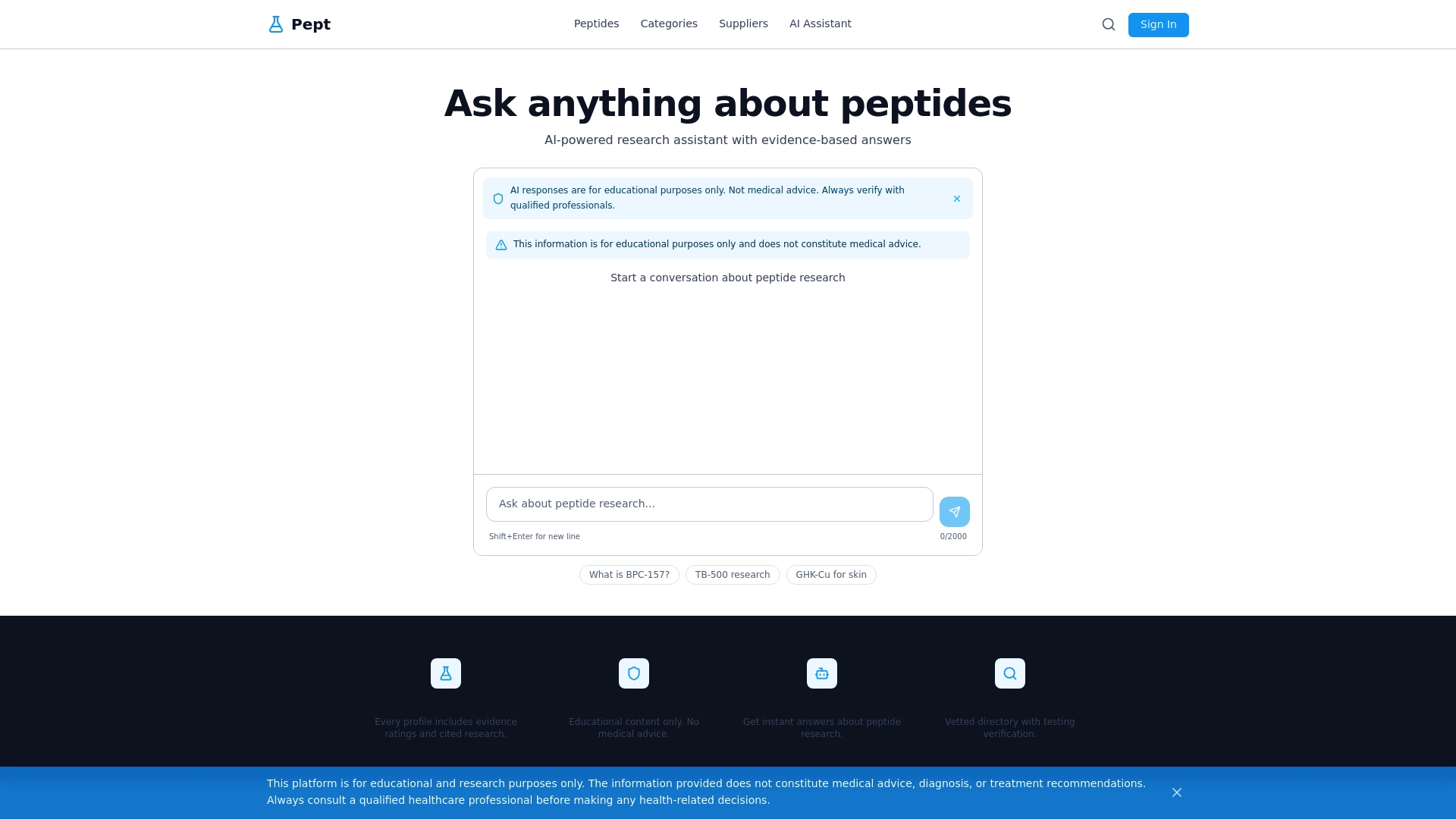
The browse research peptides directory offers deep dives into individual peptides, covering mechanisms of action, research findings, typical dosing protocols, and known side effects. This evidence-based approach helps you make informed decisions rather than relying on forum speculation or marketing hype.
Beyond supplier connections, the peptide education platform provides ongoing learning resources including protocol guides, safety updates, and community discussions. Access to experienced users who share practical insights accelerates your learning curve while helping you avoid common mistakes.
Frequently Asked Questions About Peptides for Muscle Growth
How long should beginners cycle peptides for muscle growth?
Beginners should run initial peptide cycles for 8-12 weeks followed by equal duration off-cycles. This on-off pattern allows your endocrine system to recalibrate and prevents receptor desensitization that reduces effectiveness. Starting with shorter 8-week cycles helps you assess individual response before committing to longer protocols.
Are there natural alternatives to peptides for muscle recovery?
Collagen supplementation, branched-chain amino acids, and creatine monohydrate offer natural recovery support without peptide use. Quality sleep, proper hydration, and anti-inflammatory foods like fatty fish provide foundational recovery benefits. While these alternatives work, they generally produce slower, less dramatic results than targeted peptide protocols.
What are the signs of peptide side effects to watch for?
Watch for injection site reactions including redness, swelling, or unusual pain lasting beyond 24 hours. Systemic symptoms like persistent headaches, joint pain, water retention, or changes in appetite warrant immediate dose reduction or discontinuation. Unusual fatigue or mood changes also signal potential issues requiring medical consultation.
Can peptides be combined with other supplements safely?
Most peptides combine safely with standard supplements like protein powders, creatine, and multivitamins. Avoid combining multiple hormone-influencing peptides initially to isolate individual responses. Always disclose all supplements to your healthcare provider during screening, particularly if taking prescription medications that might interact.
Is peptide use legal for fitness purposes in the United States?
Peptides like BPC-157 and Ipamorelin lack FDA approval for human use, existing in a gray area as research chemicals. Purchasing for personal research purposes remains legal, but marketing or selling peptides for human consumption violates FDA regulations. This distinction means you assume responsibility for use and cannot claim therapeutic intent legally.